Independence kept
Tasks that were becoming impossible go back to being routine.
Service · London & the South East
Thoughtful changes to the things that matter most, washing, stairs, the front door, the kitchen, carried out properly so life at home stays comfortable and independent.
Free, no-obligation home assessment · Family-run · 30+ years' experience
Service Overview
Home adaptation is the work of removing specific obstacles rather than rebuilding a house. Most people do not need everything changed. They need the bath replaced with something they can walk into, a rail where the turn is awkward, a threshold levelled, better light on the stairs and a socket they can actually reach.
The value is in choosing the right handful of changes. That comes from watching how someone genuinely moves around their home, not from a checklist. Two people with the same diagnosis often need completely different adaptations, because their houses and their habits are different.
We carry out adaptation work throughout London and the South East for elderly and disabled people and their families. Some of it is small and completed in a day; some of it involves structural work. All of it is done by specialists with over 30 years of experience behind the business, and finished so the house still looks like a home.
Every job begins with a free, no-obligation visit. We will tell you honestly if you need less work than you thought, that conversation is far more useful to you than a quote for something you do not need.
How We Support You
Bathrooms, stairs and thresholds are the places where good support makes the biggest difference, so that is where we start.
Upstairs rooms, the garden and the bathroom stay part of everyday life rather than places that get quietly given up.
When the bathroom is easy to use, washing stays a normal part of the day, done independently and with dignity.
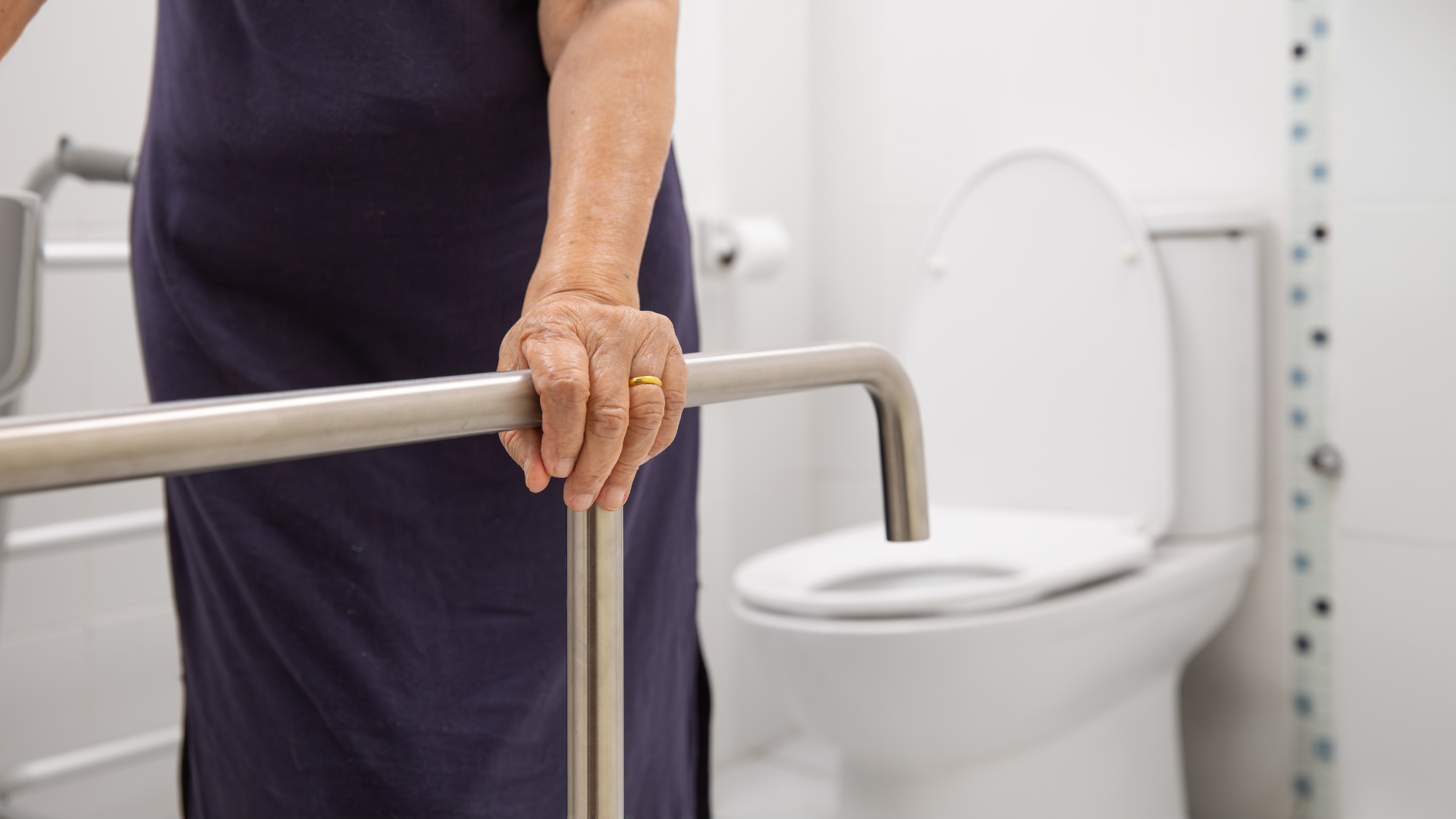
Rails, ramps and supports are installed into solid structure and load-checked, so they feel dependable every time they are used.
Our Process
Tell us what has become difficult. No forms, no assessment jargon, just what is going wrong at the moment.
We come to the property, watch the routes in practice, take measurements and identify what will make the biggest difference.
A clear list of proposed changes with costs, in priority order, so you can do all of it or start with what matters most.
Our team carries out the work with the home protected, tidying as we go and keeping disruption to the shortest realistic window.
We have the person use each change while we are still on site, and adjust heights and positions until they are right.
Benefits
Tasks that were becoming impossible go back to being routine.
The specific places where balance and grip fail get fixed first.
Most adaptation packages are days of work, not weeks.
Adapting a home is measured against years of care fees, not against doing nothing.
Space, height and access that make helping someone safer for both people.
The fear that comes with a house you no longer trust starts to lift.
In Detail
Bathing and toileting: replacing a bath with a level-access shower, raising toilet heights, fitting reinforced grab rails, shower seats and lever taps, and improving lighting and ventilation so surfaces stay dry.
Movement through the house: second stair handrails, widened door openings, removed thresholds, non-slip flooring, and clearing the pinch points where someone has to turn awkwardly with a frame.
Getting in and out: ramps and level thresholds at front and back doors, external handrails, better door furniture, and lighting over the approach and the step.
Reach and control: sockets raised, switches lowered, rocker switches and pull cords fitted, kitchen storage moved to reachable heights, and lever handles in place of knobs.
We start from the tasks, not the products. Getting washed, getting to the toilet at night, making a hot drink, getting out to the car, each one is a sequence of movements, and we find the point in each sequence where it breaks down.
Then we look at the structure. Whether a rail can be fixed where it is needed, whether a floor can be levelled, whether a door can be widened without touching a load-bearing wall, that determines which of the possible solutions is actually the right one.
We also consider the person's grip strength, reach and balance separately, because a rail at a textbook height is useless to someone who cannot lift their arm that far.
Where a condition is progressing, we specify for the next stage as well, so the work is not superseded within a year.
Smaller adaptations, rails, thresholds, lighting, tap changes, socket heights, are usually completed in a single visit or two, with minimal mess and no need to move out of any room.
Medium works such as a shower conversion, an adapted toilet or a widened doorway typically take several days and involve tiling, flooring and making good.
Larger works, structural openings, moving a bathroom to the ground floor, forming a wet room, are building projects and are planned and sequenced accordingly.
If what you need is closer to the larger end, a whole-home accessibility refurbishment is often better value than treating each room separately.
Common Questions
Anything not covered here, ask us directly on 07878 938265.
Related Services
Fixed into solid structure at the heights that suit the person using them, not guesswork.
Grab Rails, Handrails & Support Fittings in LondonThe step over the bath removed, replaced with a shower that can be walked or wheeled straight into.
Walk-In / Level-Access Shower Conversions in LondonFront and back doors made reachable, with gradients and thresholds built to be used every day.
Ramps & Level-Access Threshold Works in LondonBrowse all home adaptation services, see photographs of completed accessibility projects, read about our family-run building team, or check the areas we cover across London and the South East.
Next Step
Send the form and we will come back to you to arrange a visit for your home adaptations for independent living, or call during opening hours and speak to someone who can help straight away. The assessment is free and there is no obligation.
07878 938265